Know more. Understand more. Engage more.

Join Australia's largest open conversation on international affairs.

Upcoming Events

Australia and the Refugee Convention at 75: A Case for International Law in an Era of Nationalism
Madeline Gleeson, Deputy Director, Andrew & Renata Kaldor Centre for International Refugee Law, UNSW Sydney.

Nov 24, 2026 18:00 - Nov 24, 2026 19:30
Glover Cottages, 124–134 Kent Street, Millers Point NSW
AIIA Victoria 2026 Annual General Meeting
Annual General Meeting for financial members of AIIA Victoria or their proxies.

Nov 24, 2026 18:00 - Nov 24, 2026 19:00
Level 13, 356 Collins Street, Melbourne VIC 3000; online via Zoom
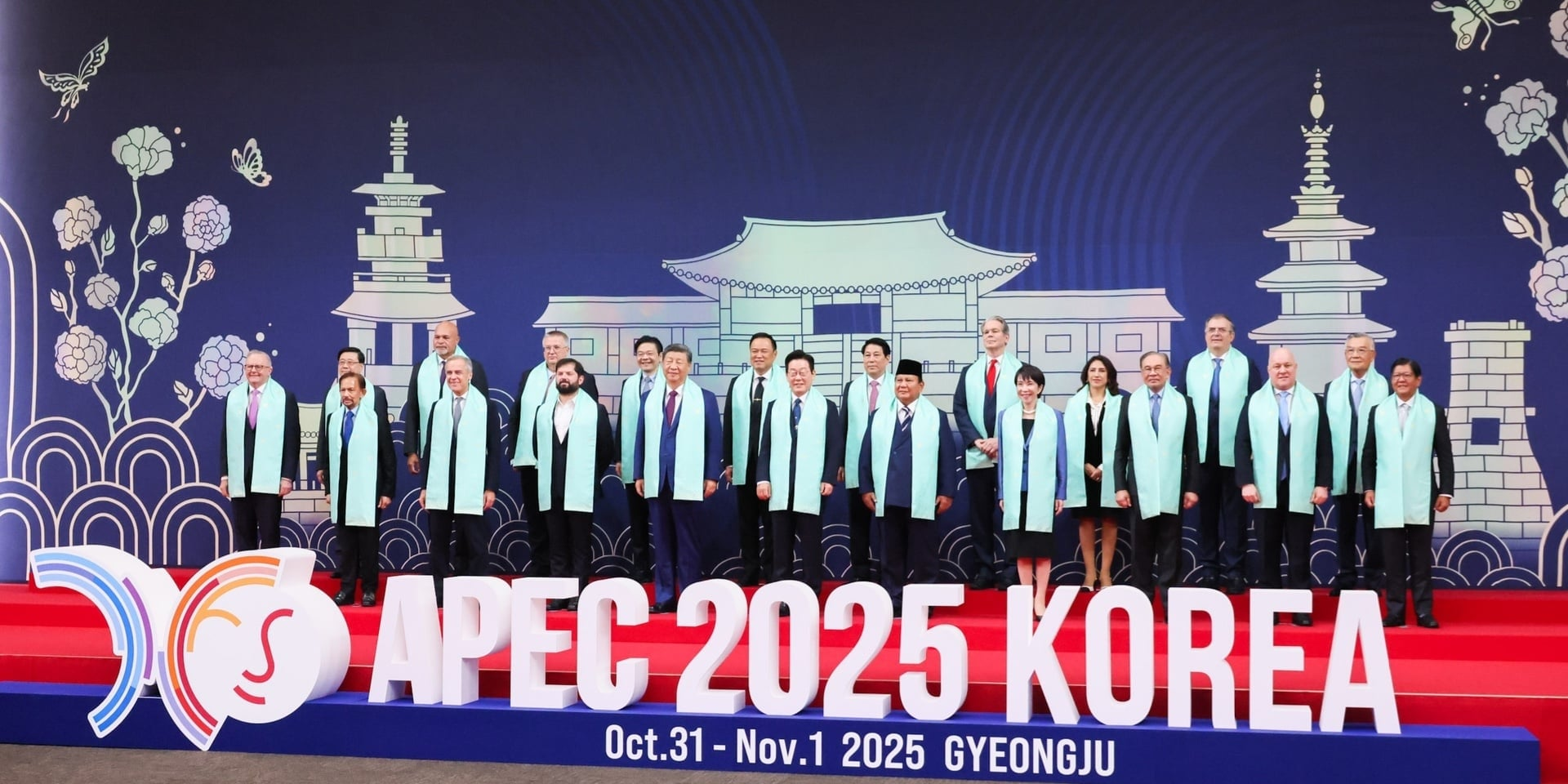
APEC: Worth the effort?

Elizabeth Ward PSM, former Australian Ambassador to APEC.

Nov 25, 2026 19:00 - Nov 25, 2026 20:00
AIIA National Conference Centre, Stephen House, 32 Thesiger Court, Deakin ACT 2600 — hybrid event
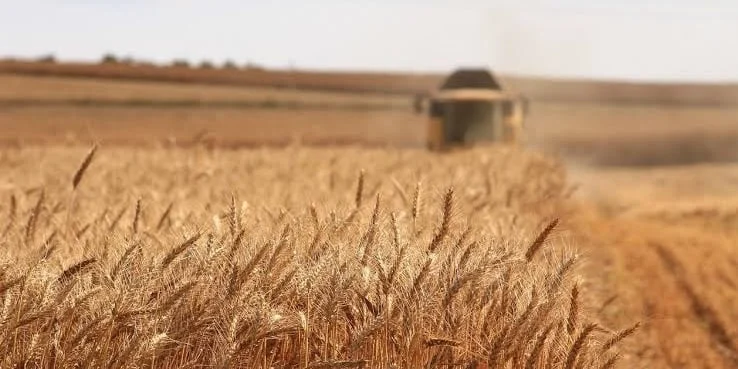
Global Food Security and Ukraine: Past and Present
Professor Mark Edele
Vasyl Myroshnychenko, Ambassador of Ukraine to Australia and New Zealand
Jarema Polatajko
Olga Maxwell — moderator
Iryna Skubii — opening remarks

Nov 26, 2026 18:00 - Nov 26, 2026 19:00
AIIA Victoria, Level 13, 356 Collins Street, Melbourne VIC 3000 — hybrid event
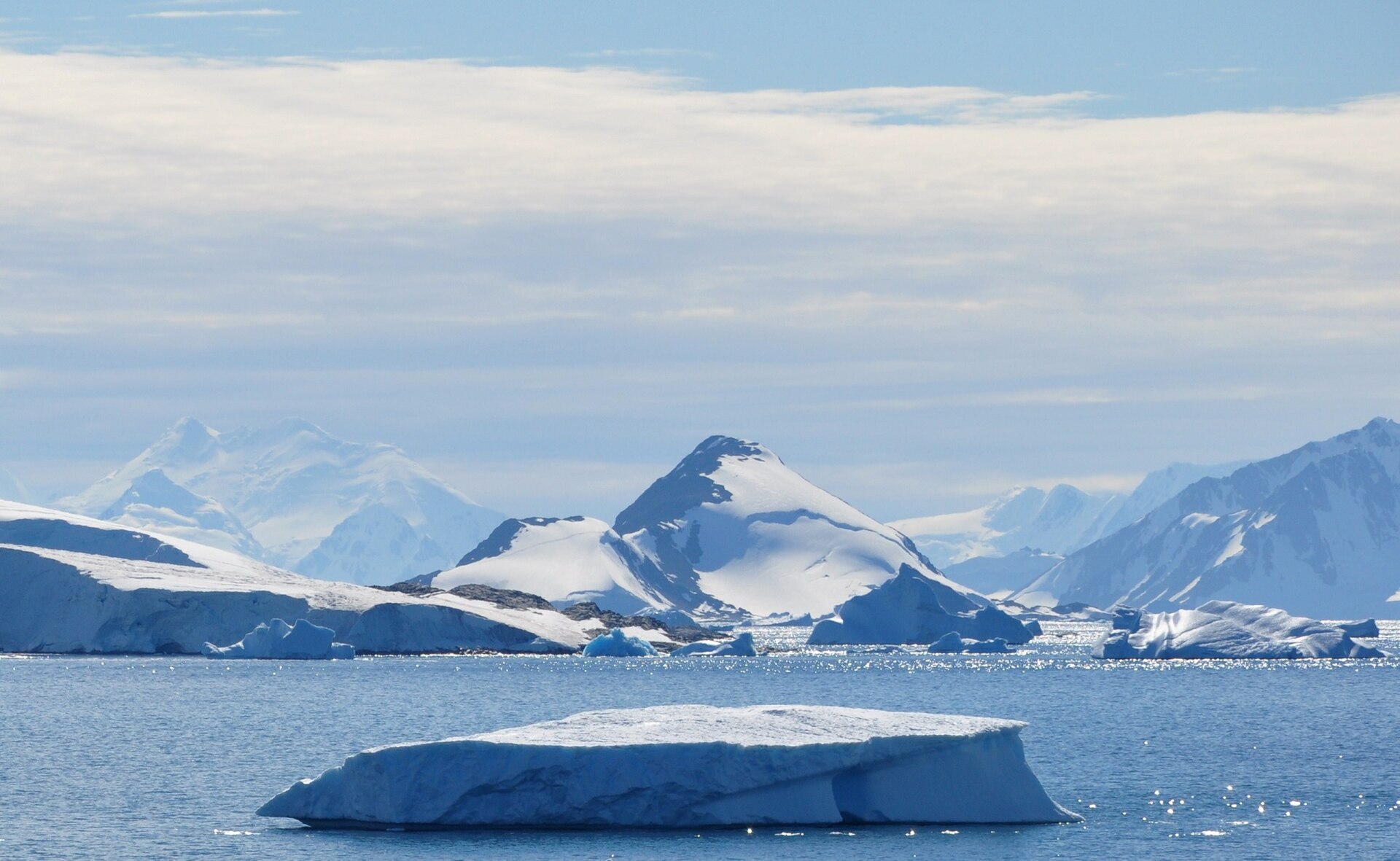
Sir Guy Green Lecture: “Antarctica in Focus: A frank, personal account of Antarctica’s future”
Dr A J (Tony) Press AO FAIIA, Adjunct Professor, Institute for Marine and Antarctic Studies and Australian Antarctic Program Partnership, University of Tasmania; former Director of the Australian Antarctic Division.

Dec 1, 2026 17:30 - Dec 1, 2026 19:00
Aurora Lecture Theatre, IMAS Building, 20 Castray Esplanade, Hobart
AIIA NSW AGM 2026

52nd Annual General Meeting for financial AIIA NSW members. In-person only.

Dec 1, 2026 18:00 - Dec 1, 2026 19:00
Glover Cottages, 124–134 Kent Street, Millers Point NSW
Trivia Night!

Hosted by the current cohort of AIIA Queensland interns

Dec 1, 2026 18:00 - Dec 1, 2026 19:00
Thomsons Lawyers, Waterfront Place, Level 28, 1 Eagle Street, Brisbane City QLD 4000
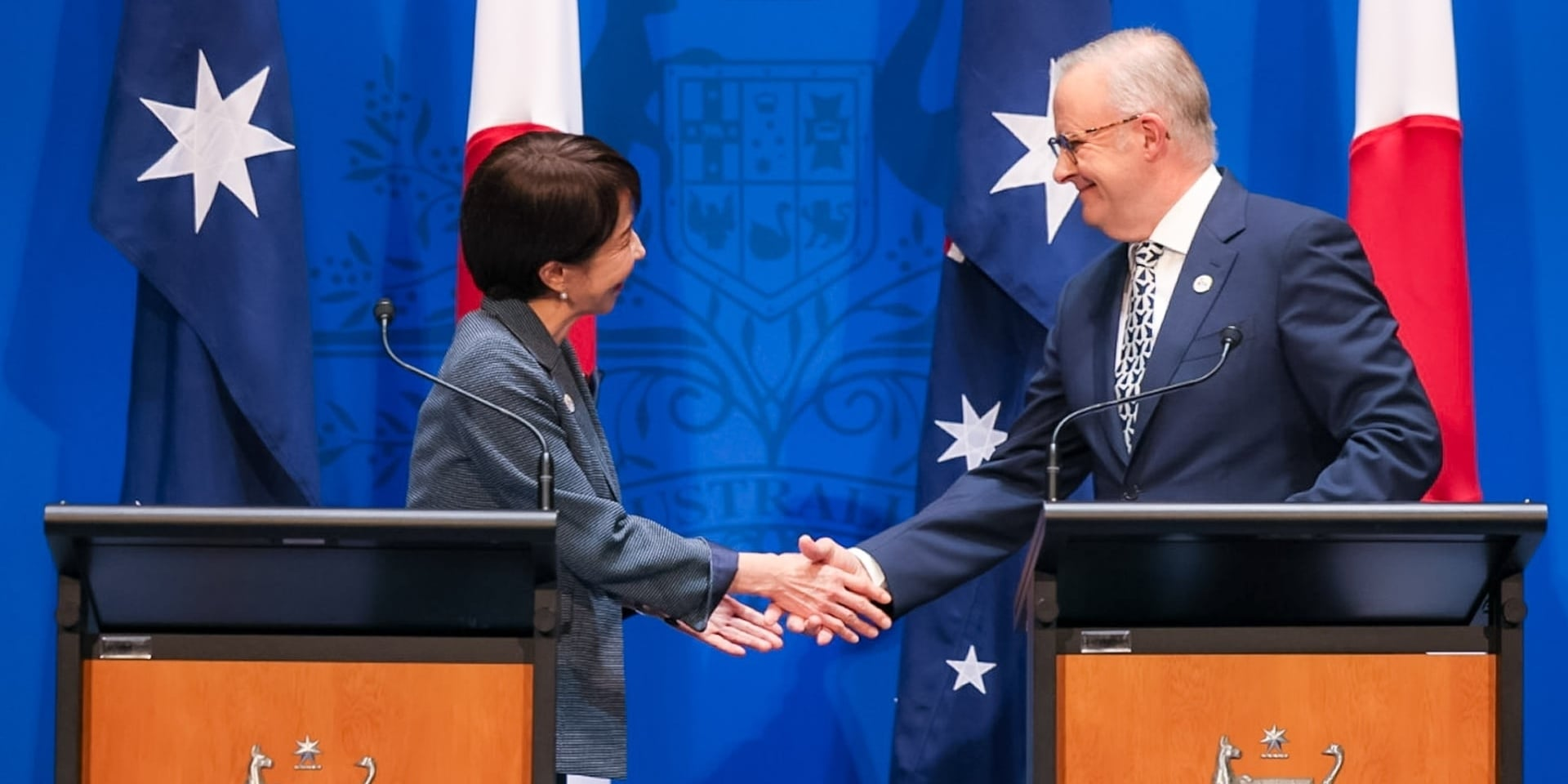
What are the prospects for an Australia-Japan alliance

Dr Alex Bristow, Senior Analyst, Australian Strategic Policy Institute (ASPI).

Dec 2, 2026 19:00 - Dec 2, 2026 20:00
AIIA National Conference Centre, Stephen House, 32 Thesiger Court, Deakin ACT 2600 — hybrid event
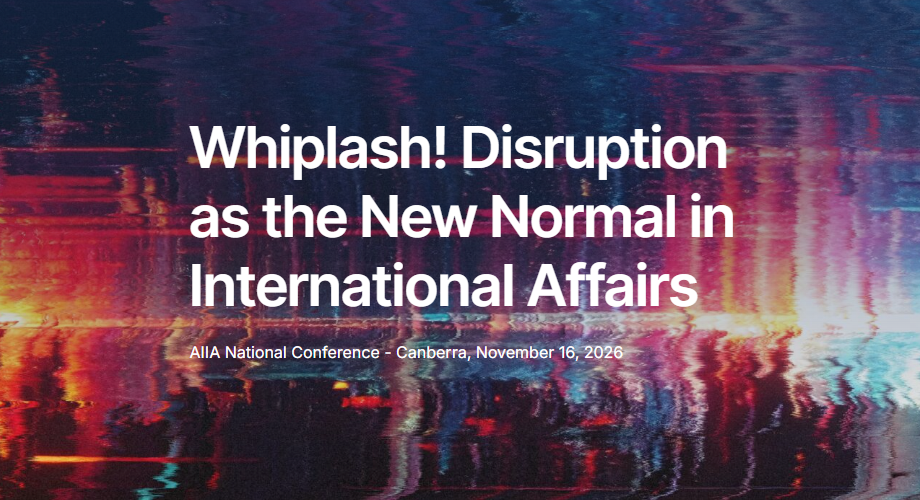
AIIA National Conference 2026

Thanks for a successful conference

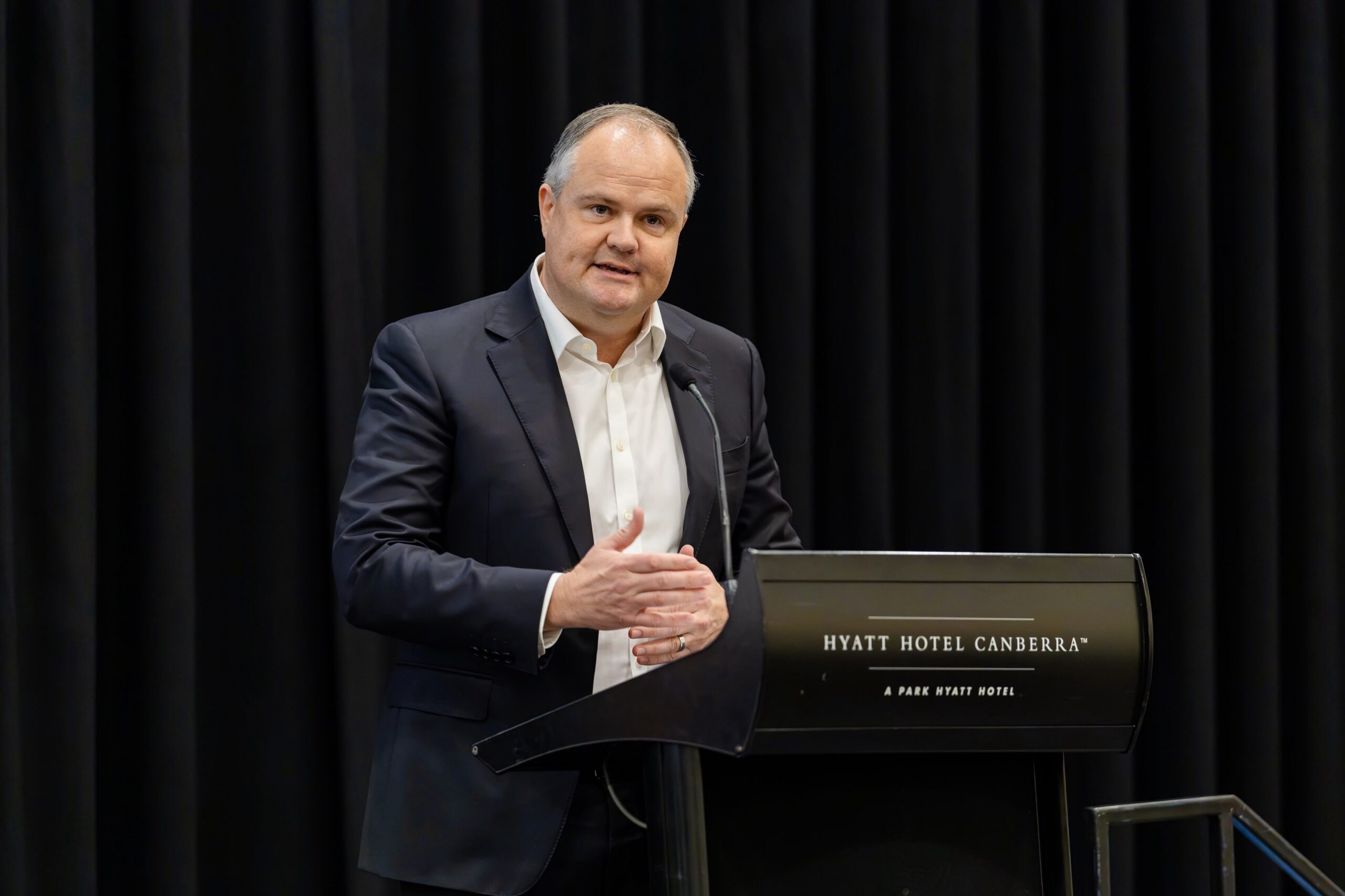
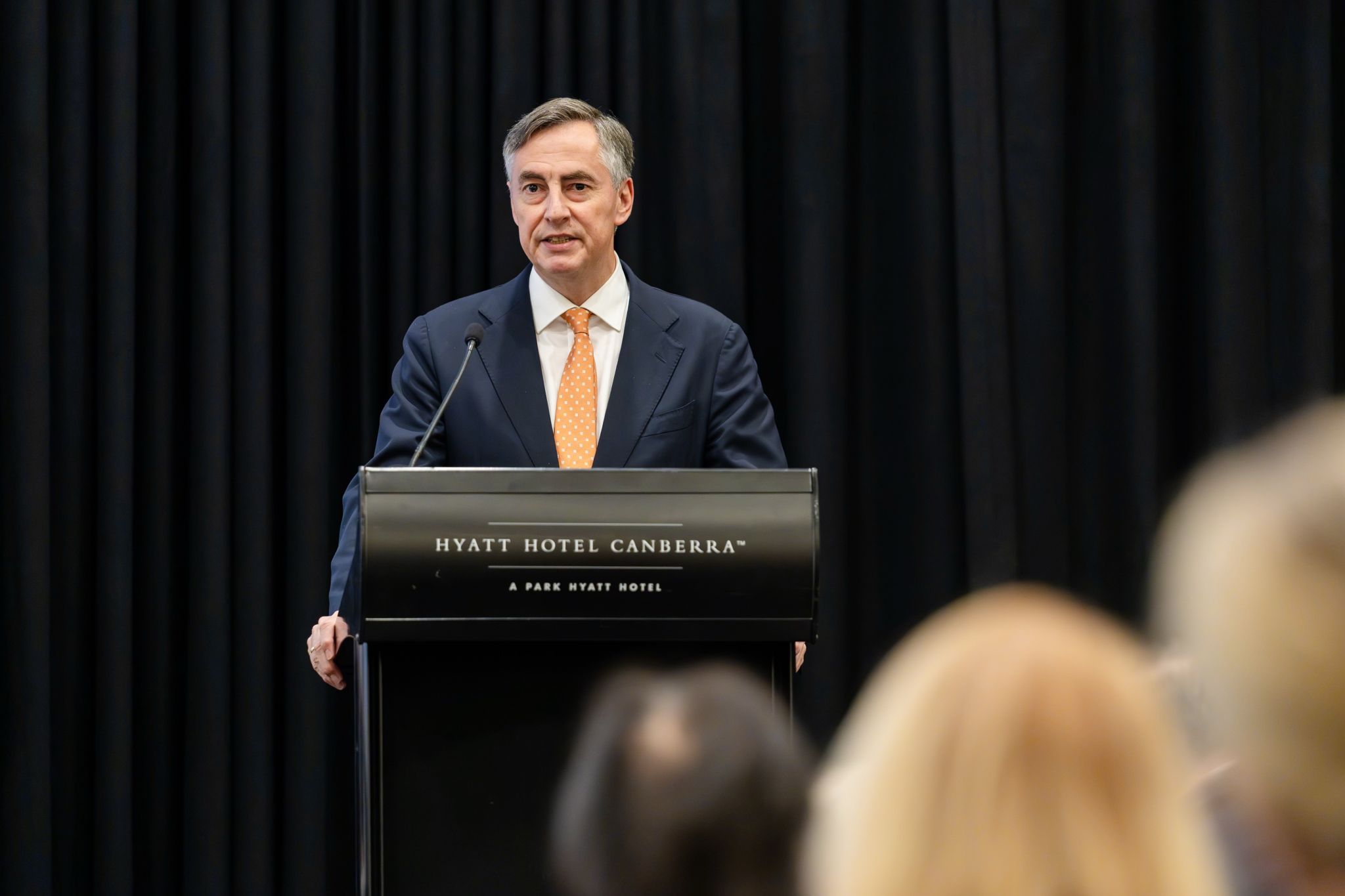
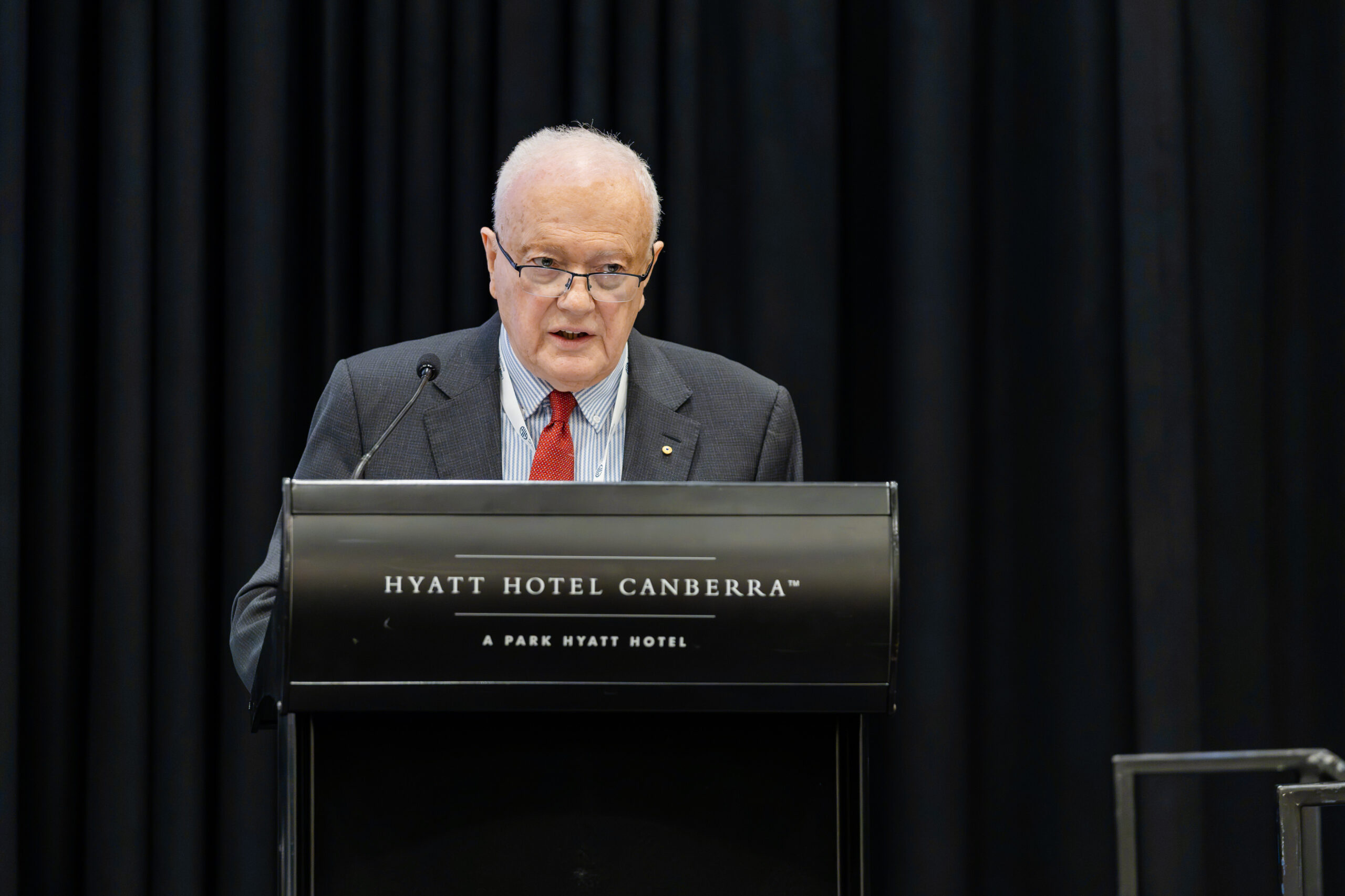
This year’s conference took place at the Hyatt Canberra on November 16, with gala dinner speaker Deputy Prime Minister Hon Richard Marles MP, and daytime keynotes including Shadow Foreign Minister Ted O’Brien MP and European Parliament Foreign Affairs Committee Chair David McAllister MEP. Thanks to all speakers and supporters.
Australian Outlook

24 Nov 2026
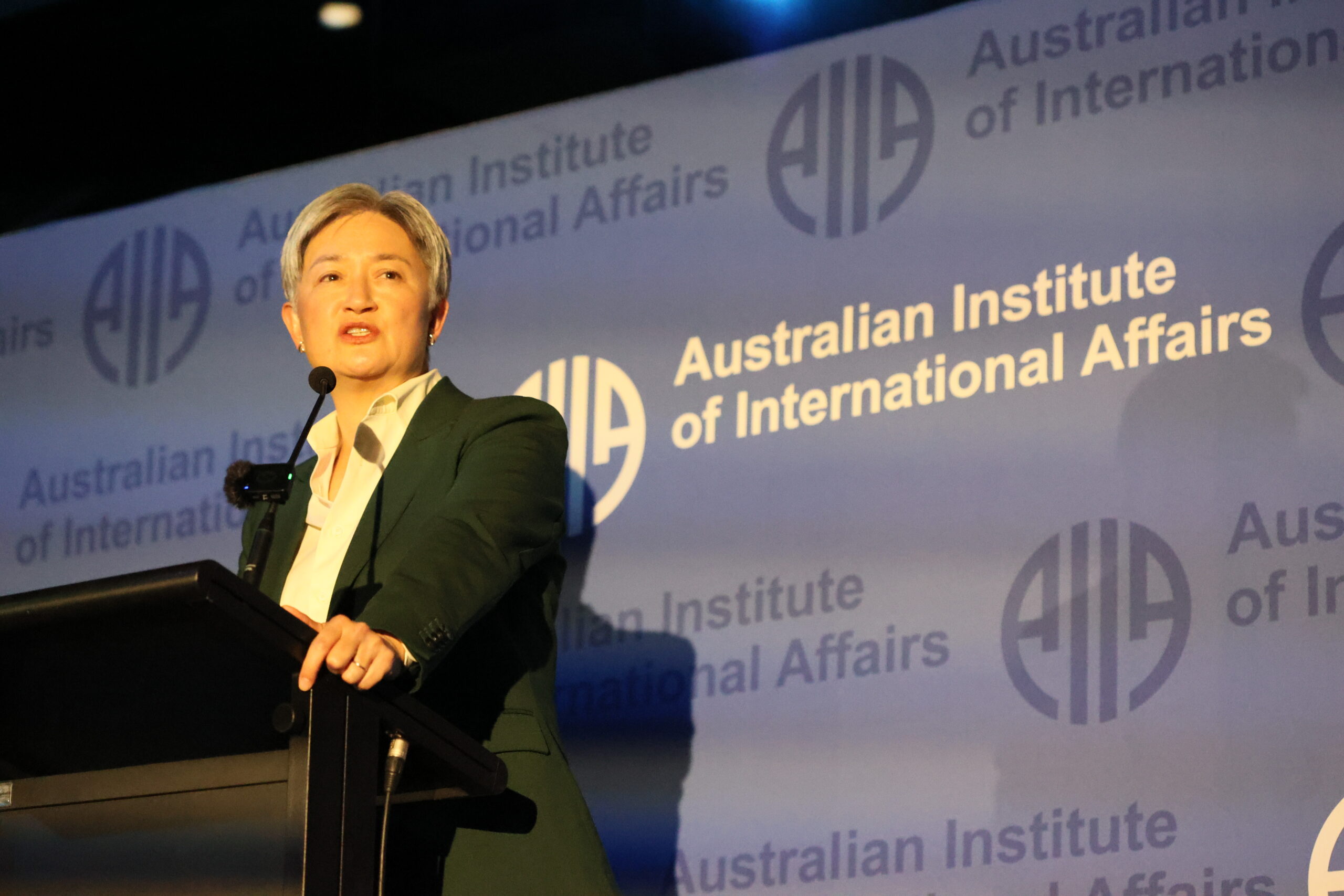
Australia now has something approaching a new and distinct foreign policy doctrine. Across three major speeches over the past year, Foreign Minister Penny Wong has articulated a coherent account of
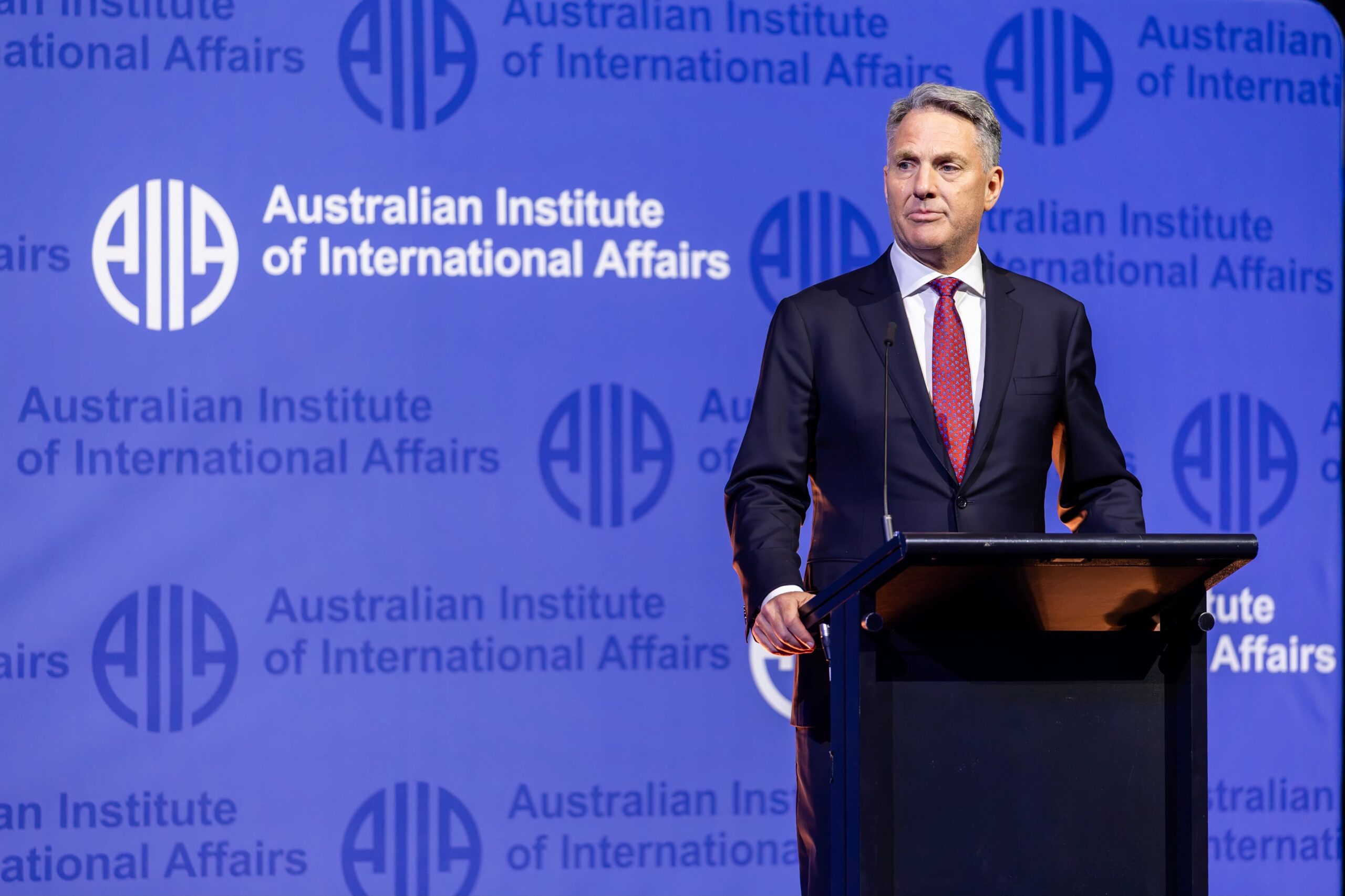
The Deputy Prime Minister and Minister for Defence’s speech to the 2026 AIIA National Conference Gala Dinner outlined how Australia has moved from strategic drift to strategic clarity. He pointed
Australia is entering a new age of strategic competition, economic securitisation and technological upheaval just as its economy, resilience and social cohesion are eroding. In his 2026 AIIA National Conference
David McAllister MEP’s keynote to the 2026 AIIA National Conference argued that Europe must build its capacity to act collectively as Russia’s war, China’s rise and a shifting United States
Australia faces a world of intensifying great-power contest, returning conflict, ecological breakdown and accelerating technological change, all unfolding as the rules-based order frays. In his opening address to the 2026

Get in-depth analysis sent straight to your inbox
Subscribe to the weekly Australian Outlook mailout

Publications

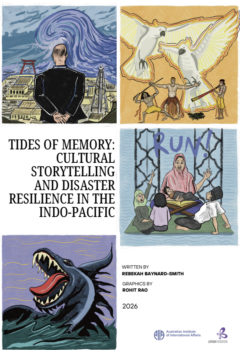
Authored by Rebekah Baynard-Smith, Illustrated by Rohit Rao
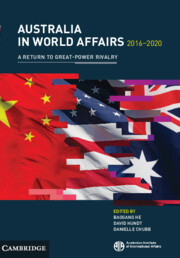
Baogang He, David Hundt, Danielle Chubb (eds)
Support Our Work

Help us help Australia to know more, understand more, and engage more in international affairs.

Discover the ways your organisation can support the AIIA beyond membership.

AIIA News
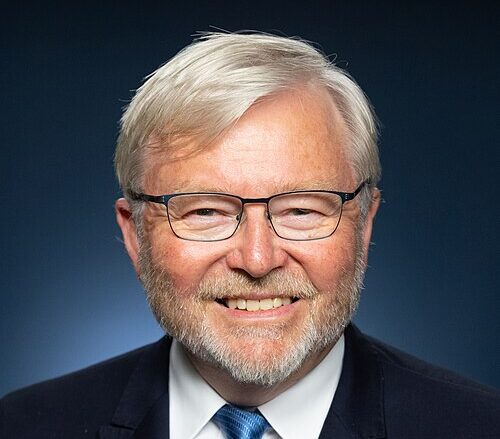
04 Aug 2026

CANBERRA–The Australian Institute of International Affairs ACT Branch will welcome former prime minister, foreign minister and Australian ambassador to the United States the Hon Dr Kevin Rudd AC as guest […]

03 Aug 2026

The Australian Institute of International Affairs mourns the death of Charles Garrard “Garry” Woodard AO FAIIA, distinguished diplomat, scholar and former National President of the Institute. Woodard served at the […]
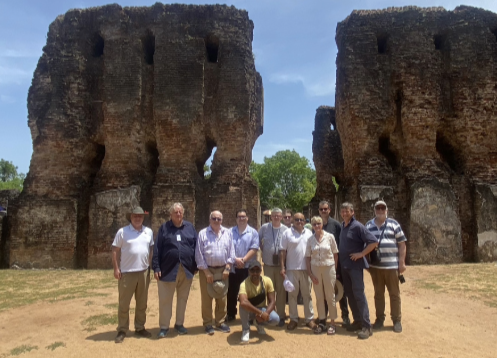
COLOMBO—A delegation from the Australian Institute of International Affairs Victoria has completed a study tour of Sri Lanka, meeting political leaders, policymakers, diplomats, economists, academics and industry representatives to gain […]
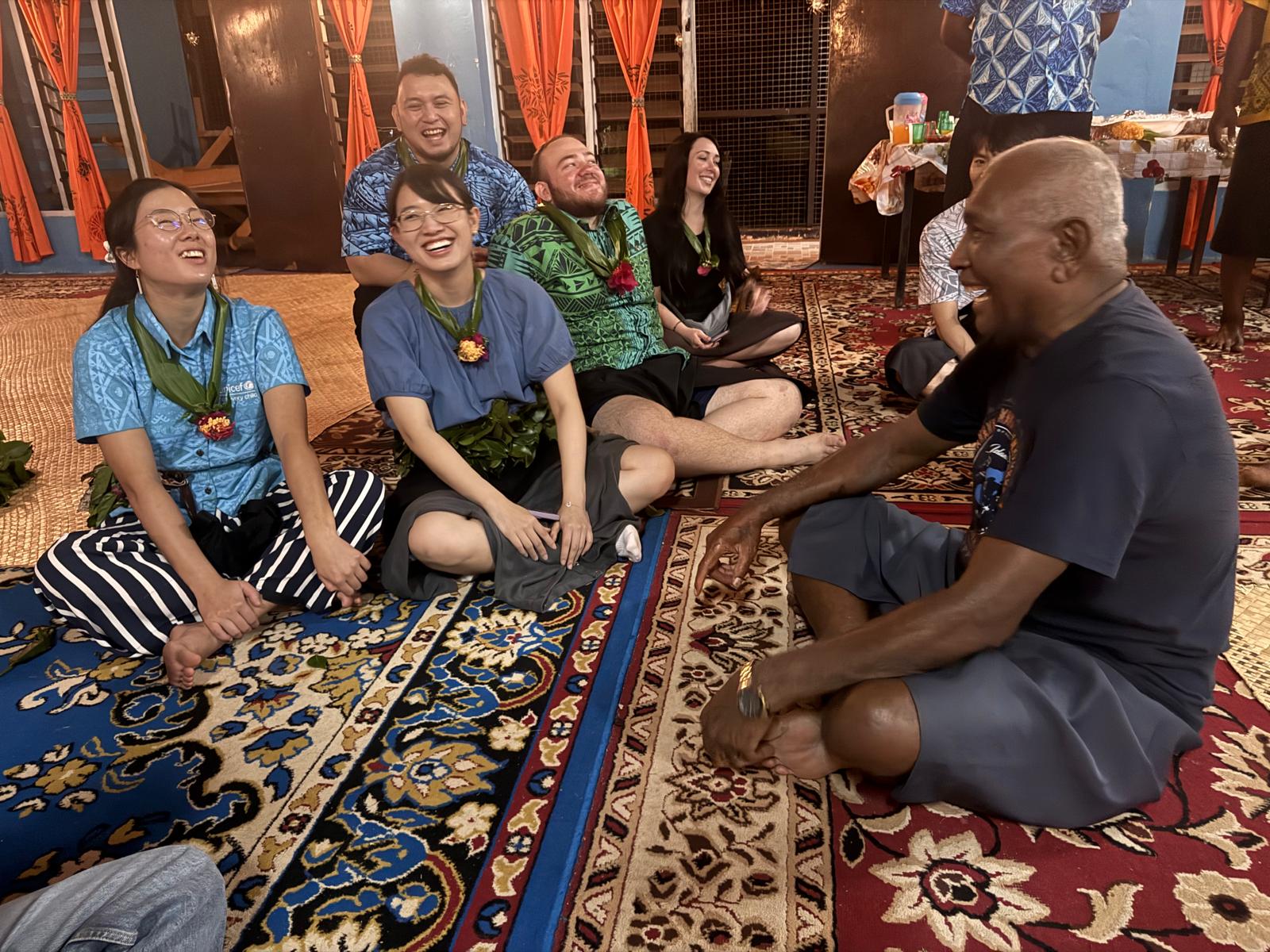
SUVA, NADI, CHRISTCHURCH AND WELLINGTON—The third cohort of the Indo-Pacific Cooperation Network has completed a study tour through Fiji and New Zealand, examining how governments, communities, scientists, emergency managers and […]
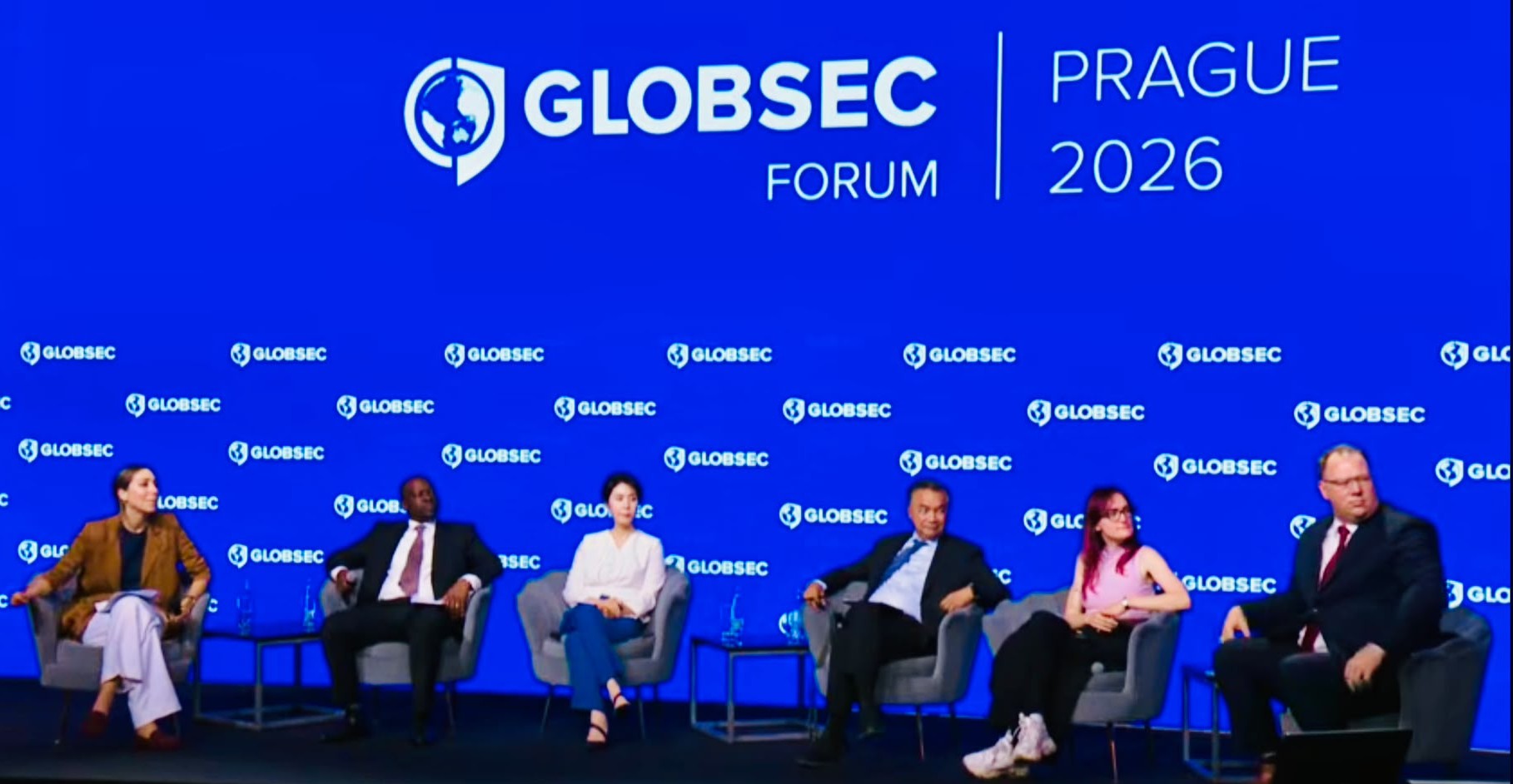
PRAGUE–Australian Institute of International Affairs Chief Executive Officer Dr Bryce Wakefield attended the GLOBSEC 2026 Forum last week, joining political leaders, policymakers, military officials, and strategic thinkers from across Europe […]
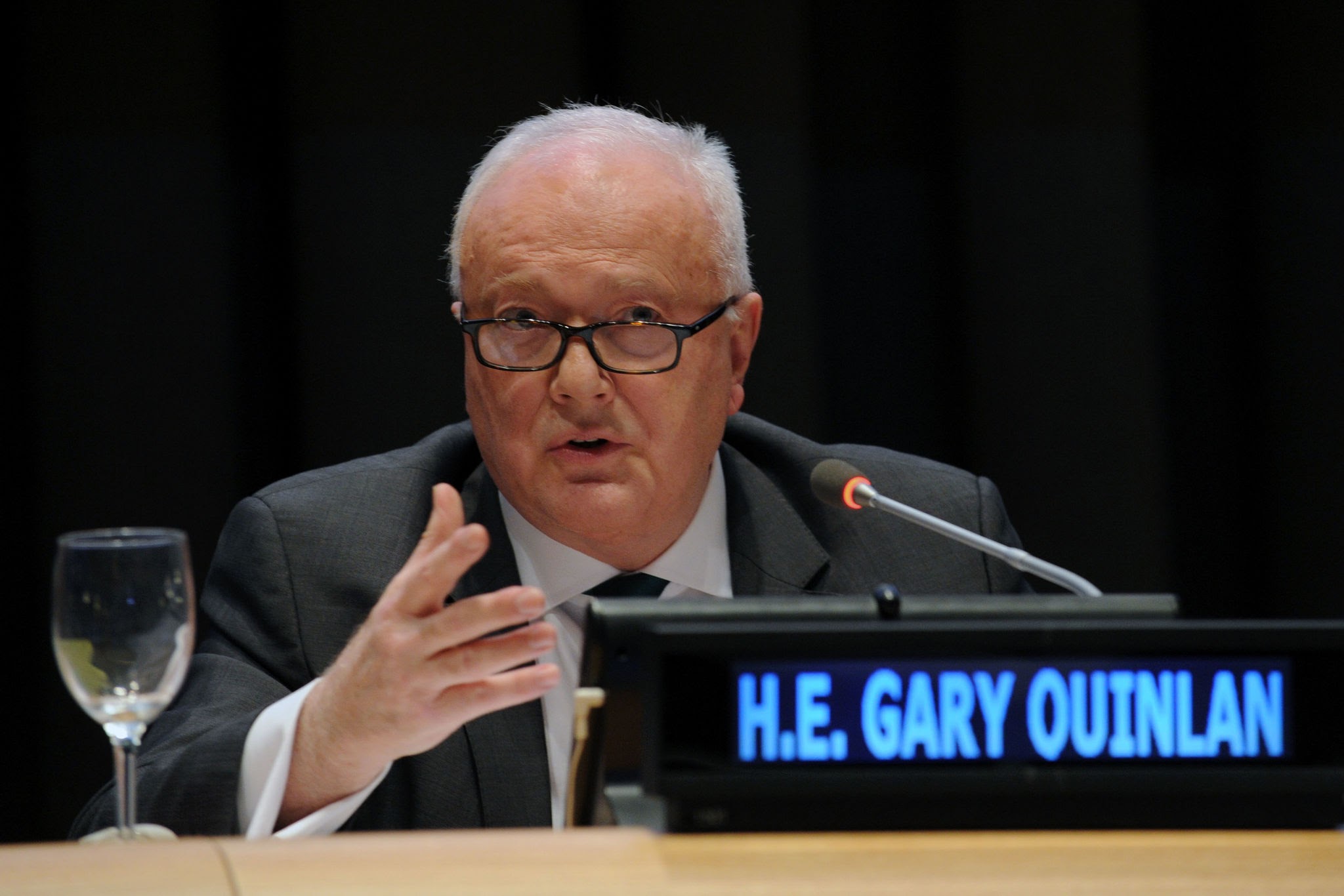
CANBERRA—The Australian Institute of International Affairs (AIIA) marks a leadership transition this month, with Gary Quinlan AO FAIIA assuming the role of national president as Dr Heather Smith PSM FAIIA […]
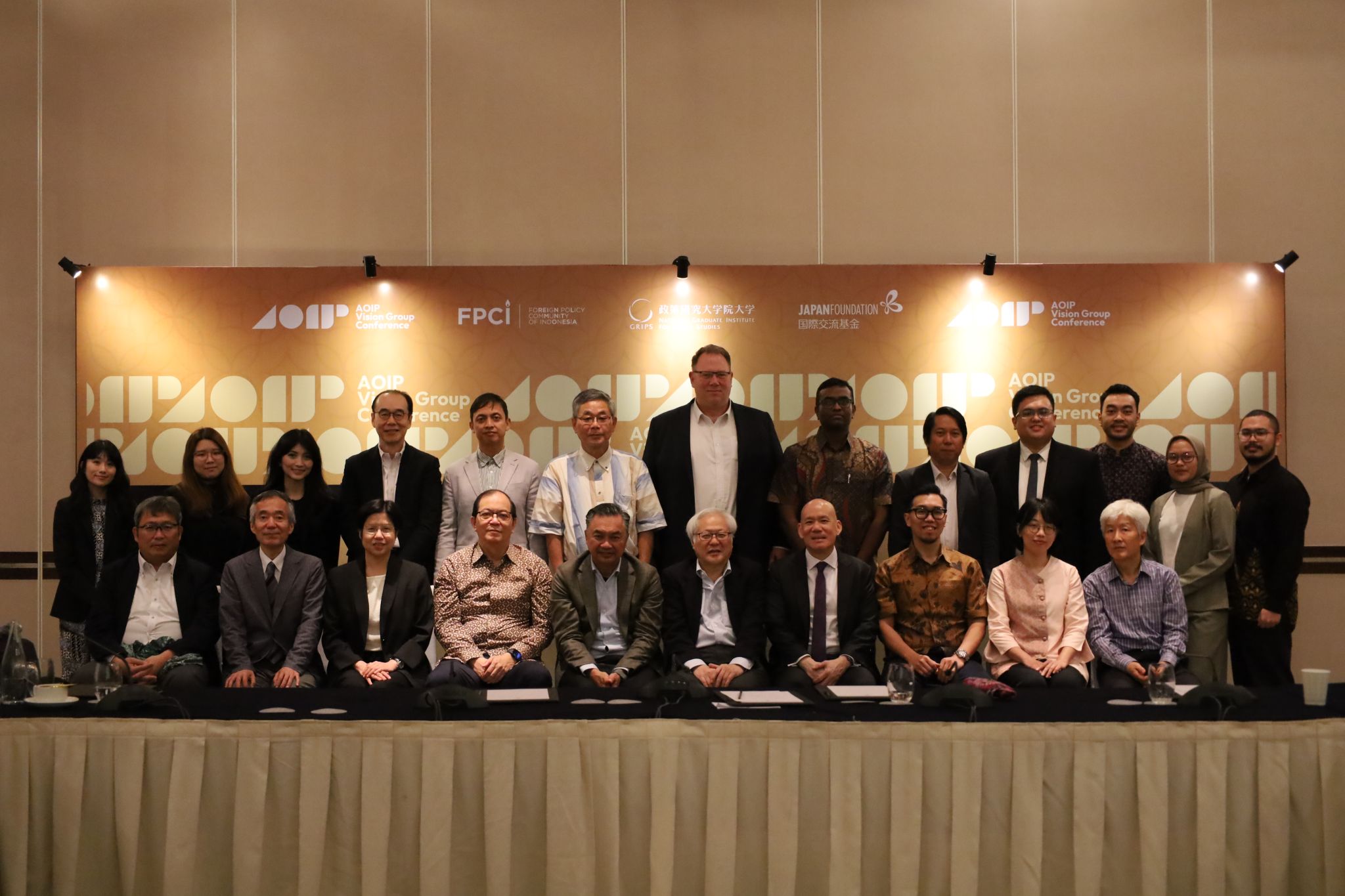
BALI–Dr Bryce Wakefield, Chief Executive Officer of the Australian Institute of International Affairs (AIIA), has once again contributed to regional policy discussions at the ASEAN Outlook on the Indo-Pacific (AOIP) […]
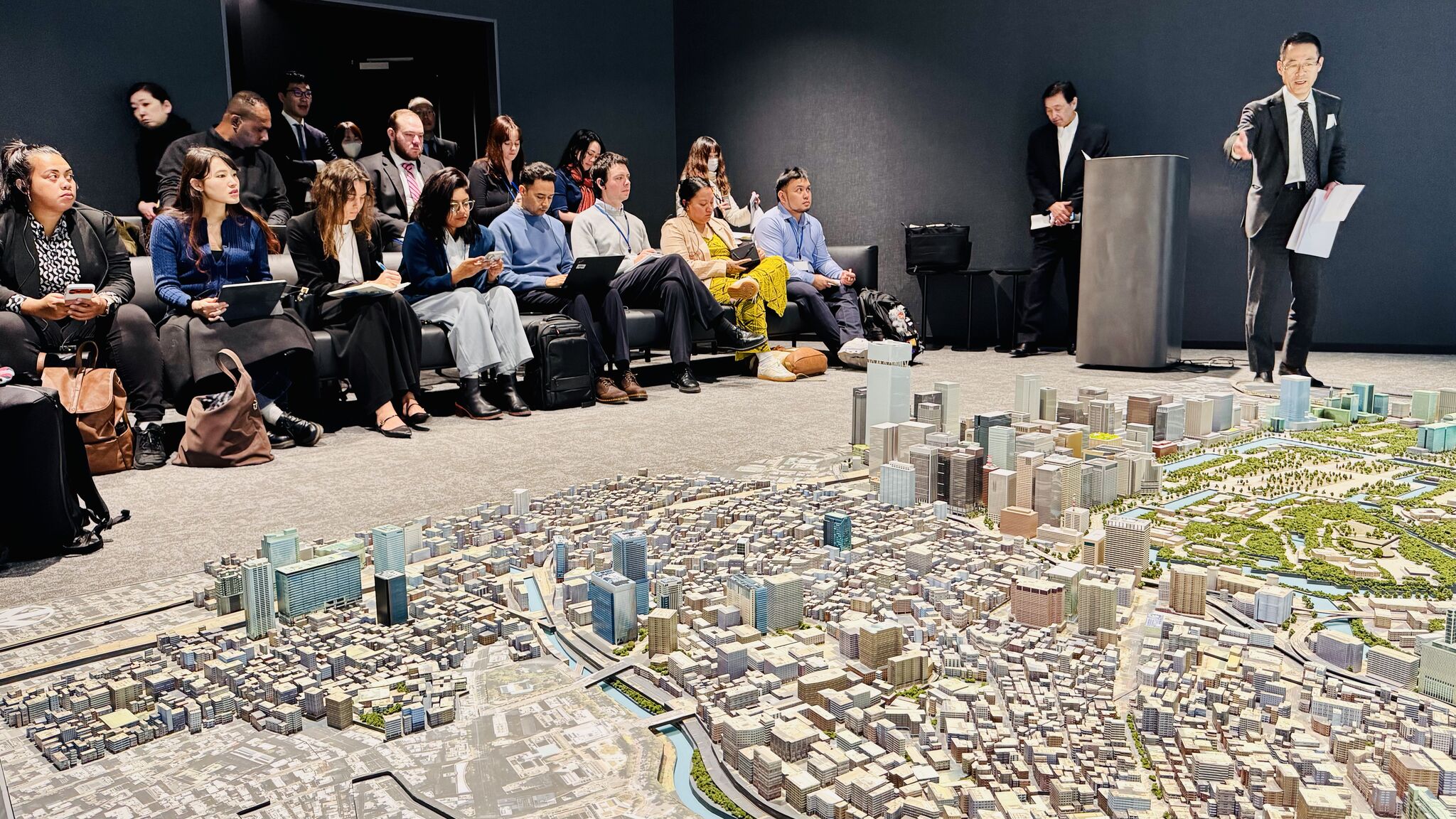
TOKYO, ISHINOMAKI, MINAMISANRIKU, KOBE, and KYOTO–The 2026 cohort of the Australian Institute of International Affairs–The Japan Foundation Indo-Pacific Cooperation Network (IPCN) has completed the first stage of its program with […]

AIIA in the Media

18 November 2026
In his speech on Monday to the Australian Institute of International Affairs, O’Brien explained with clarity what he had sought from the Labor government: he wanted a successful FTA but made clear that inserting binding climate obligations risked the future choices of Australian governments and risked elevating climate over trade and energy security. At the following AIIA panel discussion of the FTA with four impressive speakers (three being European representatives) all championing the FTA, O’Brien’s position was initially ignored, then patronised, and finally given token acknowledgment. The EU position is clear: the FTA won’t be reopened or renegotiated and there is nothing new in the climate provisions and nothing for Australia to worry about.
Go to source
18 November 2026
“My colleagues and I want to see a successful FTA [free trade agreement] concluded with Europe, but it has to be in our national interest,” O’Brien told the Australian Institute of International Affairs. “Introducing legally binding climate obligations in the EU FTA risks eroding Australian sovereignty by constraining the choices of future Australian governments. “It risks elevating climate commitments over energy security and jeopardising our industrial competitiveness,” he said. It also risked “compromising our strategic flexibility at precisely the time when we need more flexibility, not less”.
Go to source
17 November 2026
In a speech to a foreign policy crowd, the Defence minister said the ADF was being asked to operate under strategic settings straight from 1986, when the Cold War was at its height. But the world has changed dramatically since that time, Marles told the Australian Institute of International Affairs.
Go to source
24 September 2026
Australian Institute of International Affairs chief executive Bryce Wakefield, who attended Thursday’s welcoming ceremony, says Liu should not be pigeonholed or underestimated. “His seniority, particularly as head of the Asia bureau, suggests that Beijing is taking its relationship with Australia seriously,” he argues. “He is capable of taking a forceful public line, as seen in his dealings with Japan, but reducing him to a ‘wolf warrior’ misses the experience and policy range he brings to the Canberra posting. He seems to be more a competent technocrat who can navigate complex relations.”
Go to source
21 September 2026
Australian Institute of International Affairs chief executive Bryce Wakefield said Canberra's hesitancy was unsurprising. "Nobody really knows what 'associate membership' means yet, including EU member states," he told NewsWire, adding that Ms von der Leyen "effectively invented the category" during her speech last week. He said the phrase "caught EU diplomats by surprise". Dr Wakefield also said there was a "domestic political calculation" weighing on the Albanese government's response. "The Coalition is already questioning parts of the new EU–Australia trade deal," he said. "Their stated objections to the FTA include sovereignty, climate provisions and agricultural access. Labor won't want to hand them an argument that Australia is suddenly signing up to some new European strategic architecture, particularly one that could be portrayed as an alternative to the US alliance system." However, Dr Wakefield added "the idea actually fits Labor's amplified middle-power diplomacy rhetoric quite well. But there's a big difference between cooperating more closely with Europe and embracing a completely undefined new political label," he said.
Go to source
19 August 2026
Australian Institute of International Affairs chief executive Bryce Wakefield said the visit “isn’t a dramatic realignment by Vietnam” but that “it does show that Australia and Vietnam increasingly see the regional strategic environment in similar terms, particularly on maritime security and the need to resist coercion”. “The main takeaway is how the relationship is becoming more practical and institutionalised, including through defence exercises, law-enforcement co-operation and regular high-level contact,” he said. “The fact that visits like this no longer need a flashy deliverable is itself a sign of how much more mature and normalised Australia’s regional diplomacy has become.”
Go to source
18 August 2026
Japanese Prime Minister Sanae Takaichi has shown some flexibility by green-lighting intelligence deployments in the Middle East, but Australian Institute of International Affairs chief executive Bryce Wakefield cautioned against reading too much into it. “Although what constitutes a ‘survival-threatening situation’ remains a bit up in the air at the moment, Takaichi’s willingness to contemplate limited SDF deployments to the Middle East does not suggest that Japan’s constitutional constraints have fallen away,” he told NewsWire. “When Trump pressed her over the Strait of Hormuz, she explicitly invoked the legal and constitutional limits on what Japan could do.”
Go to source
18 August 2026
Australian Institute of International Affairs chief executive Bryce Wakefield said if “we take the leaked diplomatic communication and ambassador Suzuki’s comments at face value, Japan does not appear to regard this as a diplomatic problem”. “Albanese’s detractors are entitled to criticise his conduct,” he said, adding that “they are on much shakier ground if they present that criticism as evidence of Japanese diplomatic offence”.
Go to source
16 August 2026
“Albanese’s comments were poorly considered, but the Australia–Japan relationship under his government has moved well beyond warm rhetoric and strategic intent into a much denser, more practical partnership across defence, security and regional diplomacy,” AIIA CEO Dr Bryce Wakefield said. “An off-colour joke on a podcast is not going to derail a relationship of that depth. Whatever his critics might wish, this has gained no real traction in Japan and is unlikely to resonate beyond a narrow Australian audience already predisposed to dislike the Prime Minister.”
Go to source
9 July 2026
Watch AIIA CEO Dr Bryce Wakefield discuss Indian Prime Minister Narendra Modi's visit to Australia, including the proposed uranium supply arrangement, CECA negotiations, defence cooperation, maritime security, supply chains, education, and the future of India-Australia strategic ties.
Go to source
23 June 2026
Watch a video podcast with AIIA CEO Dr Bryce Wakefield in discussion with Roger Hilton, Media Presenter and Research Fellow at GLOBSEC
Go to source
27 May 2026
At a leading European security and policy conference in Prague, Latika buttonholes one of Australia's top political scientists to interrogate an unusually upbeat, even optimistic, mood. Is it that Europe's leaders are getting used to dealing with Donald Trump? Or could it be Ukraine fending off the Russians, with increasing success? The answer is worth a listen.
Go to source
20 May 2026
Bryce Wakefield, CEO of the Australian Institute for International Affairs said the difference in Mr Macron’s position then and now was notable. “Australia’s absence is striking because Canberra had effectively become a regular invitee to recent G7 summits alongside countries like India and South Korea, reflecting its growing role in Indo-Pacific strategy and economic security,” he said. "Given the summit’s focus on critical minerals and online child safety, two issues where Australia sees itself as a policy leader, the omission is diplomatically awkward. "Critics may well interpret this as a sign that Macron has lingering doubts about Australia after France was dumped for AUKUS. The bigger question, however, is whether the trans-Atlantic powers are losing focus on the Indo-Pacific.”
Go to source
11 May 2026
Australian Institute of International Affairs chief executive Bryce Wakefield said an in-person meeting with Mr Trump could be a hazardous undertaking, particularly given the crisis in the Middle East... Dr Wakefield said the US’s major allies had responded in their own way to Mr Trump’s “confrontational approach to foreign policy”. “In the Indo-Pacific, Canada’s Prime Minister (Mark) Carney has tended to confront Trump directly, Japan’s (Prime Minister Sanae) Takaichi has cautiously embraced Trump, while Australia’s Albanese has largely tried to stay off Trump’s radar,” Dr Wakefield said. “That is a wise approach. The challenge for Canberra is to remain in Washington’s good graces without drawing attention to its discomfort with the current US position in the Middle East.”
Go to source
5 May 2026
Bryce Wakefield, CEO of the Australian Institute for International Affairs who has lived in Japan and is fluent in Japanese, said Ms Takaichi’s trip appeared time to coincide with Japan’s week of national holidays known as Golden Week. “Takaichi’s visit was more about convenience and relationship management than coming up with anything new. It’s the typical mode of diplomacy favored by Japanese politicians at this time of year, when a series of national holidays at home gives them space to travel abroad,” Dr Wakefield told The Nightly.
Go to source
17 April 2026
Bryce Wakefield, CEO of the Australian Institute for International Affairs, welcomed the change in France’s influential position... “If France cannot build domestic support for prioritising the strategic value of cooperation with like-minded partners over narrower sectoral pressures, its ambitions for greater global influence will remain out of reach. This shift in attitude is therefore as good for France as it is for Australia.”
Go to source